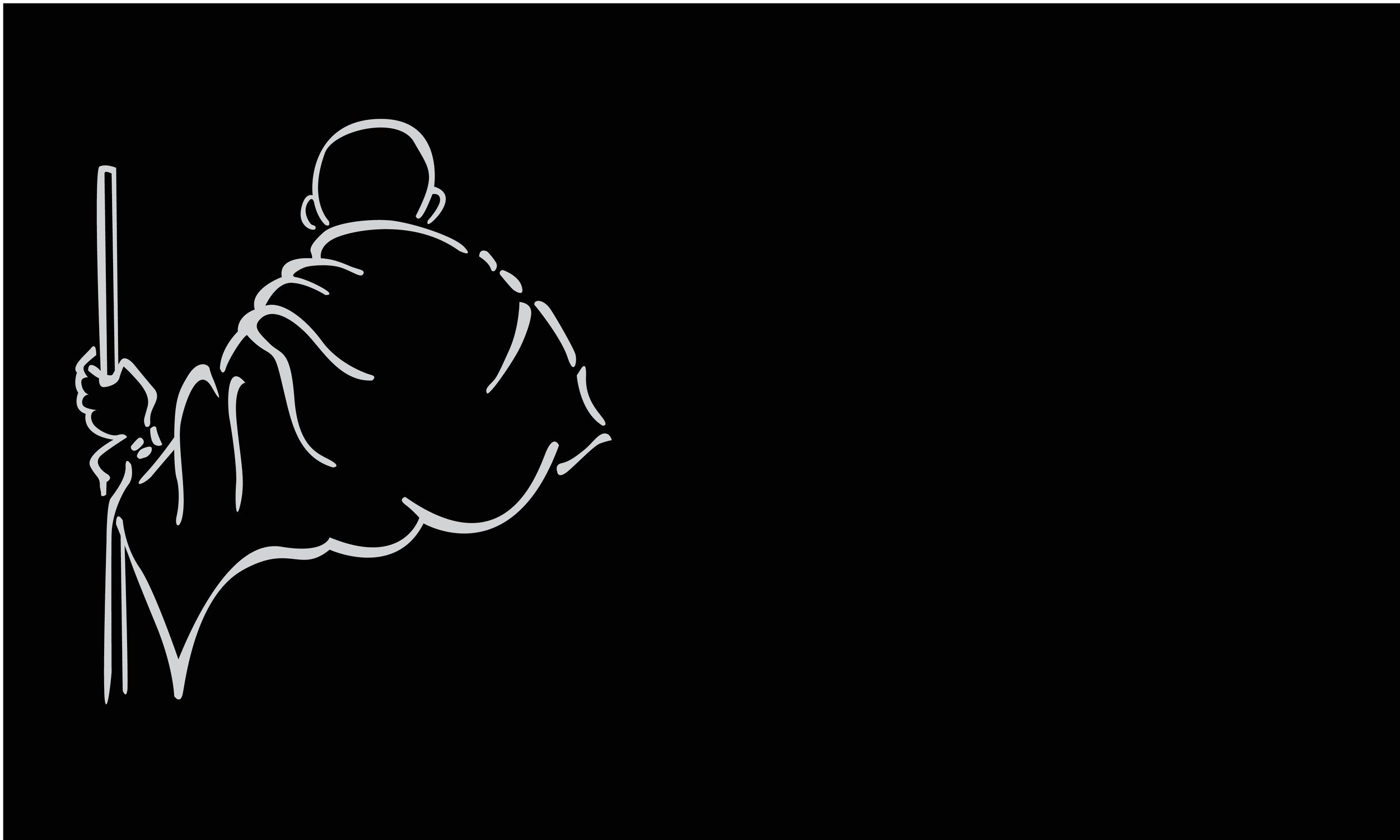
What is a Shanti Sena?
“The Congress should be able to put forth a non-violent army of volunteers numbering not a few thousands but lakhs [tens of thousands] who would be equal to every occasion where the police and the military are required. A nonviolent army acts unlike armed men, as well in times of peace as disturbances. They would be constantly engaged in activities that make riots impossible. Theirs will be the duty of seeking occasions for bringing warring communities together, carrying on peace propaganda, engaging in activities that would bring and keep them in touch with every single person, male and female, adult and child, in their parish or division…”
-M.K. Gandhi
Shanti Sena, or ‘peace army,’ was Gandhi’s proposed solution for the management of conflict through nonviolence, as opposed to the more traditional ‘threat power’ employed by officers of the law and the State. His conception was of trained volunteers living in the communities they would serve as trusted third parties who could, for example, abate rumors that often exacerbate conflict and if necessary, as he says in the above quote, carry out what is today known as interposition between conflicting parties. The Shanti Sena concept is based on the belief that it is crucial to the development of world peace because any truly free society must be able to manage conflict in its midst with an awakened consciousness, neither resorting to violence nor fear lest it become beholden to a military class and thus forfeit its democracy to that extent.
A shanti sena is usually comprised of volunteers (though Nonviolent Peaceforce offers subsistence pay to field-team members) whose mission is to provide constructive, creative avenues for violence prevention and control. Beyond the intention to replace a more traditional police force, which is as far as Gandhi went with the idea (mainly to control the serious communal divisions in India), others have seen that a shanti sena could also meet international conflicts, especially as Khan Abdul Ghaffar Khan, sometimes called the “Frontier Gandhi,” led nearly 100,000 devout Muslim Pathans, as the world’s first historical nonviolent army, with a promise of simplicity, nonviolence, and respect to obstruct the violence of the colonizing British forces in India’s North West Frontier Province, (now within Afghanistan and Pakistan, and still the seat of much conflict). In 1957, After Gandhi’s passing (he was to attend a founding meeting the day after the assassination) his disciple Vinoba Bhave established a larger Shanti Sena in India whose numbers rose to 6,000 and was of some service during the Chinese Border war of 1962 but broke apart in the 1970’s due to political divisions within the group.
In other parts of the world, dating from the early 1980’s, other groups of international solidarity to obstruct war and violence have continued to come to life based upon develop Gandhi’s dream, including Peace Brigades International, Meta Peace Team, Witness for Peace, Christian Peacemaker Teams, Volunteers for International Solidarity, and Nonviolent Peaceforce. What these groups do was called peacekeeping, and the peacebuilding activity was known as Third Party Nonviolent Intervention but is now known as Unarmed Civilian Peacekeeping.
Our challenge is to build domestic peaceteams… JOIN THE SHANTI SENA NETWORK.
Events Calendar

Heard of NPR? Metta has become interested in community radio, so we’re hosting Peace Paradigm Radio- PPR- every other Friday at 1 pm on KWMR Point Reyes Station. It streams on the web at KWMR.ORG and you can listen to past shows at this page on our site. Peace Paradigm Radio: What you can tune into when you tune out from the corporate mass media.
Want to share your gift with us? Register to volunteer by clicking the button below.
Recent items
- Commitment #11- Authenticity and Vulnerability
- Peace teams, not peace marshaling
- Discernment Circles
- On Consensus
Video Pick
What are the basics of Gandhian Economics? In this video, Michael Nagler provides some of the basic underpinnings of Gandhi’s thought on a nonviolent economy.
If you like this video, you might also like this article:
Economic Crisis or Nonviolent Opportunity? Gandhi’s Answer to Financial Collapse
by Michael Nagler
Metta Project Spotlight
Una Promesa de No Violencia
trans. by Sonia Rafael & Gemma Tarrés Colom
Creyendo como creemos que la vida es un todo interconectado y que existe una armonía ineludible entre los medios y los fines, y convencidos por la probada eficacia de la lucha no violenta por una causa justa, nosotros prometemos lo siguiente:
- Mientras estemos comprometidos en acciones asociadas con nuestro movimiento, nos abstendremos de usar la violencia con lo que escribimos, decimos, y en la medida de lo posible, incluso con el pensamiento.
- Vamos a ser conscientes de que nuestros rivales son los sistemas y no las personas. Y de que nuestra meta es convencer, siempre que nos sea posible, en vez de coaccionar. Por lo tanto, no nos permitiremos usar un lenguaje abusivo o gestos amenazantes hacia nadie.
- No nos limitaremos a separar lo que consideremos injusto, sin al mismo tiempo, ofrecer una alternativa positiva.
- Cuando tengamos éxito, no presumiremos de nuestra “victoria”, ni añadiremos un tema nuevo a la lucha.
- Para mantener nuestra propia dignidad y control, no aportaremos, o en la medida de lo posible, permitiremos que otros aporten intoxicantes a una acción.
- Asumiremos la responsabilidad de controlar a los que podrían tratar de desviarse del carácter no violento de nuestra acción, sin recurrir a sus propias tácticas.
- Como preparación para una lucha a largo plazo en este espíritu, nos prepararemos aprendiendo todo lo que podamos acerca de la historia, la teoría y la promesa futura de la no violencia.
- Al mismo tiempo, minimizaremos nuestra exposición a los medios de comunicación comerciales, con su mensaje deshumanizante de violencia y de consumismo.